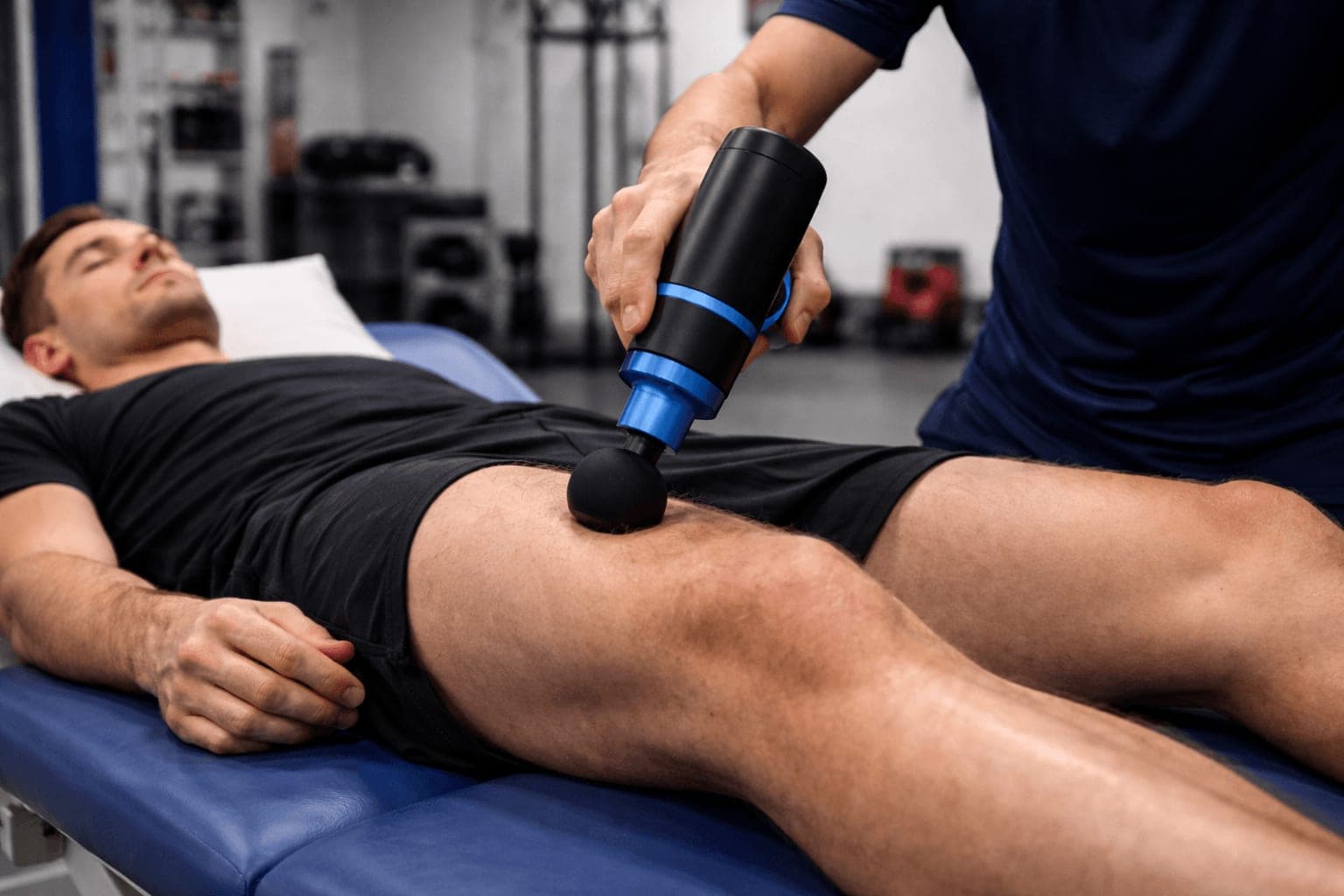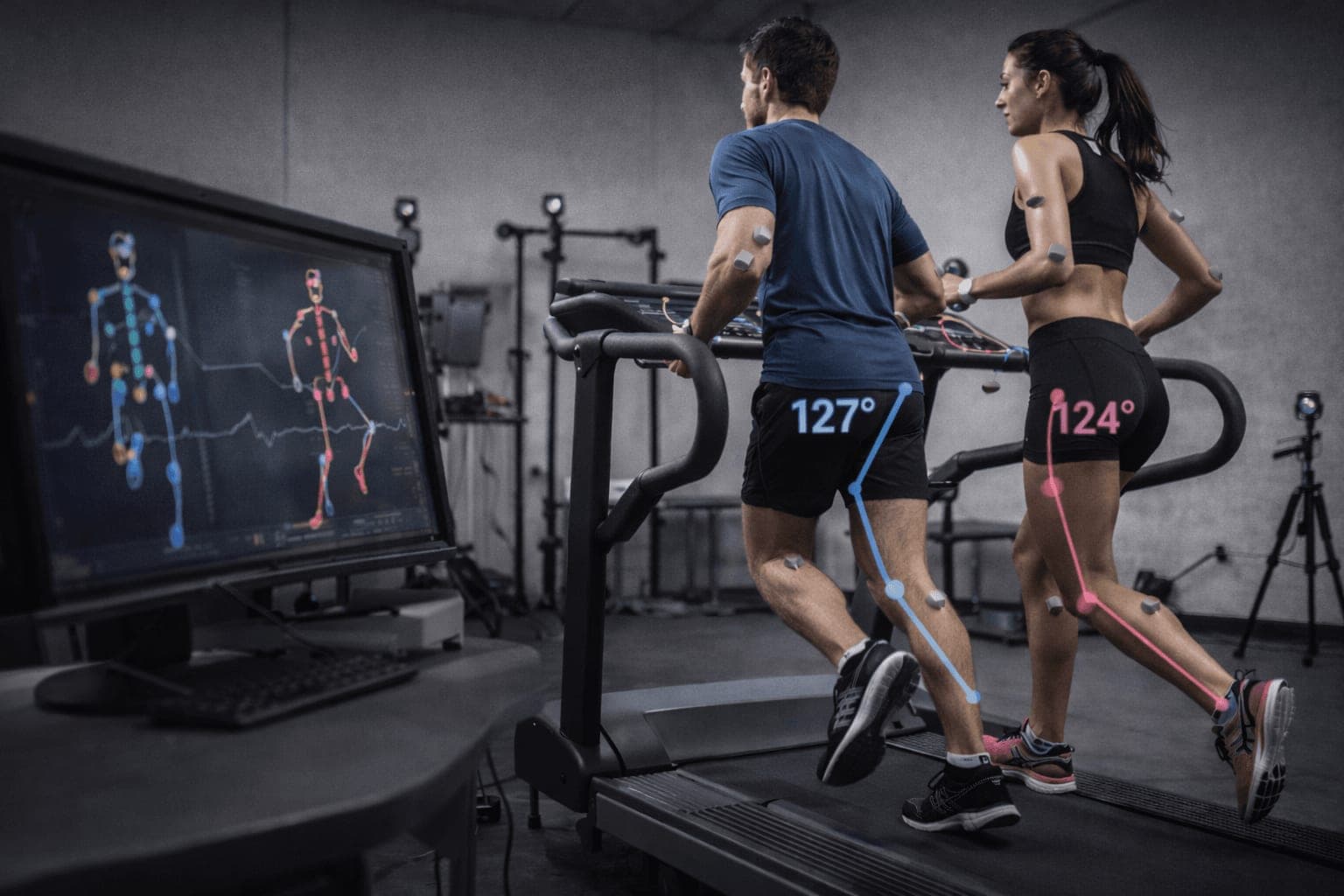

Training adaptation does not happen during exercise—it happens during recovery.
When recovery time between sessions is short, post-exercise nutrition becomes a decisive performance factor.
A recent narrative review published in Sports Medicine (2025) analysed which nutritional strategies best accelerate recovery and improve subsequent performance in athletes facing tight turnaround times.
Why Post-Exercise Nutrition Matters
After intense training or competition, the body must rapidly restore:
muscle glycogen
fluid and electrolyte balance
muscle protein integrity
If these processes are incomplete, performance in the next session inevitably suffers.
What the Scientific Review Analysed
The review synthesised controlled trials in trained athletes from endurance, intermittent and combat sports.
Typical protocols included:
2–5 hour recovery windows
standardized glycogen-depletion sessions
performance tests ranging from time trials to high-intensity capacity
Key nutritional strategies examined included:
carbohydrate intake
carbohydrate–protein co-ingestion
caffeine
creatine
hydration and selected micronutrients
Key Findings: Carbohydrates First
The strongest evidence supports rapid carbohydrate refeeding immediately after exercise.
1.0–1.2 g/kg/hour of carbohydrates in the first 4 hours accelerates glycogen resynthesis
7–12 g/kg/day restores glycogen stores within 24–36 hours
Glucose-based carbohydrates are most effective for muscle glycogen in the early recovery phase
Glucose vs Fructose: What’s the Difference?
Adding fructose does not further increase muscle glycogen resynthesis rate, but it can:
improve gastrointestinal tolerance at high carbohydrate intakes
enhance liver glycogen restoration
Some studies showed improved subsequent endurance performance when glucose and fructose were combined, likely due to faster intestinal absorption through multiple transporters.
Protein, Caffeine and Other Considerations
Adding protein supports muscle repair and may enhance recovery quality
Caffeine combined with carbohydrates may accelerate glycogen restoration when levels are very low
Hydration strategy and individual tolerance play a critical role
What This Means for Athletes
There is no single “best” recovery diet.
The optimal strategy depends on:
sport demands
training load
time between sessions
gastrointestinal tolerance
individual goals
Generic advice often falls short when performance margins are tight.
Sports Nutrition at ARA Performance & Recovery (Andorra)
At ARA Performance & Recovery, in the center of Andorra, our sports nutritionists design individualised post-exercise nutrition strategies based on scientific evidence and real training demands.
Our nutritional consultancy helps athletes:
recover faster between sessions
optimize glycogen restoration
reduce fatigue and gastrointestinal issues
perform consistently at a high level
Recovery is not optional.
Nutrition is part of performance.