Men and Women Run Alike… But Move Differently: Why Biomechanical Analysis Matters
Running may look the same on the surface, but when we look closer at how the body moves, important differences begin to emerge—especially between men and women.
A recent scientific study highlights why analysing joint mechanics, not just stride patterns, is essential for improving performance and preventing injuries.
Do Men and Women Run Differently?
For years, coaches and athletes have focused on parameters such as stride length, cadence, and speed to evaluate running technique. But these variables don’t tell the full story.
This study investigated whether male and female endurance runners differ in:
stride parameters (length and frequency)
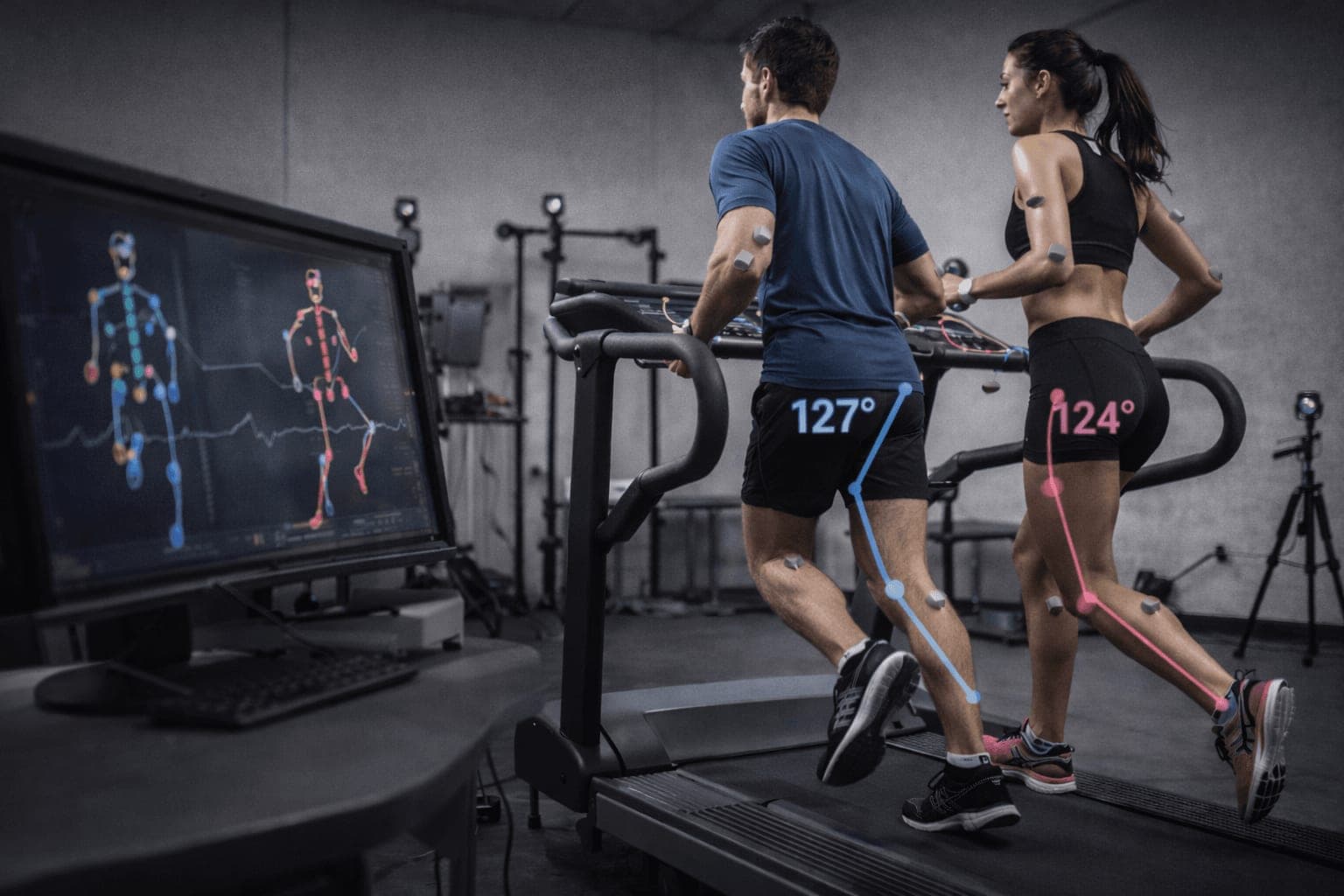
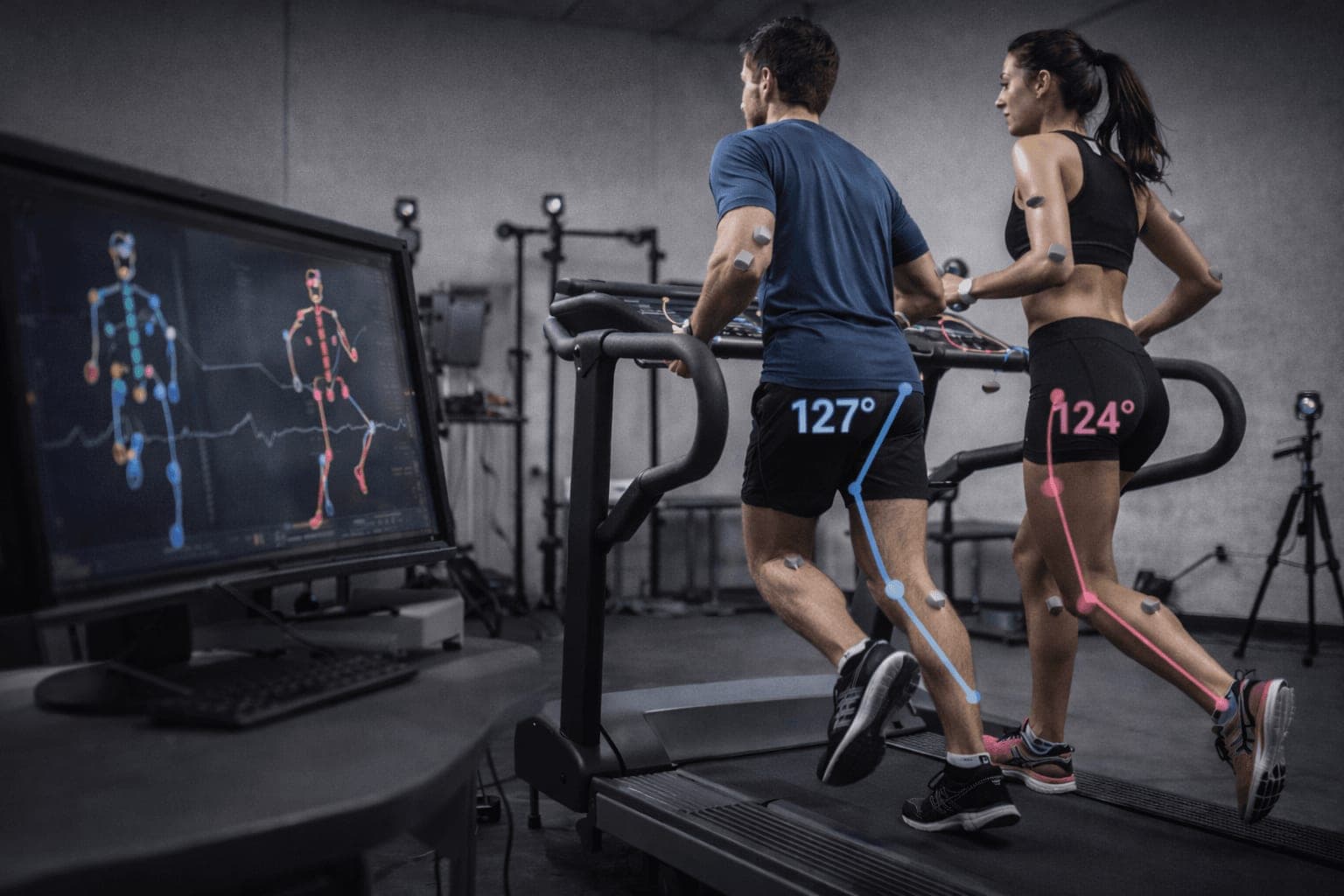
joint kinematics (how hips, knees, and ankles move during running)
How the Study Was Conducted
Researchers analysed 114 trained endurance runners (57 men and 57 women) with comparable running ability, from 1500 m to marathon distances.
Using biomechanical analysis, they measured:
stride length and stride frequency
joint movements throughout the running cycle
Key Findings
✅ Men and women showed very similar stride parameters
❌ Significant differences were found in joint kinematics
🔍 These differences appeared despite similar running performance
In simple terms:
men and women may run at the same pace, but their joints move differently to achieve it.
Why Joint Mechanics Matter
Joint kinematics play a crucial role in:
load distribution
movement efficiency
injury risk
Ignoring these differences can lead to:
inappropriate training cues
poorly adapted footwear choices
higher injury risk over time
The Role of Biomechanical Analysis
This study reinforces the value of individualised biomechanical assessment, especially when considering sex-specific movement strategies.
A proper running biomechanics assessment allows professionals to:
identify inefficient or risky movement patterns
adapt training loads and strength work
personalise rehabilitation after injury
optimise performance without changing natural running style
Biomechanical Running Analysis at ARA Performance & Recovery (Andorra)
At ARA Performance & Recovery, located in the center of Andorra, we perform advanced running biomechanics assessments using objective data—not visual guesswork.
Our analysis helps runners:
understand how their joints move
prevent overuse injuries
personalise training and strength programs
run more efficiently and safely
Running alike doesn’t mean moving alike.
Understanding how you move is the key to long-term performance.